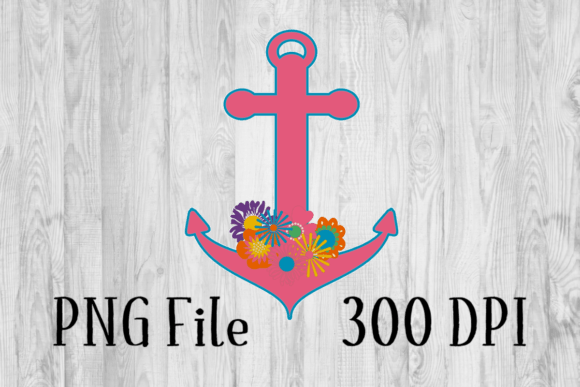
Yellow Floral Anchor: A Versatile Design for Makers
When a classic nautical symbol meets soft botanical elements, the result is something unexpectedly flexible. The Yellow Floral Anchor combines the steady, grounded shape of an anchor with delicate floral accents in warm yellow tones. It is a single design file, delivered as a high-resolution PNG, and built around the needs of people who work with sublimation printing. The file arrives with a transparent background and all watermarks removed, ready to use the moment you download it.
On the surface, it may look like a simple decorative graphic. But depending on who you are and what you create, the value of a file like this can shift quite a bit. A small business owner evaluating product-ready artwork, a hobbyist personalizing gifts, or an educator preparing classroom materials will each look at the same image through a completely different lens. Understanding those differences can help you decide whether this design fits into your next project.
What Exactly Is the Yellow Floral Anchor Design?
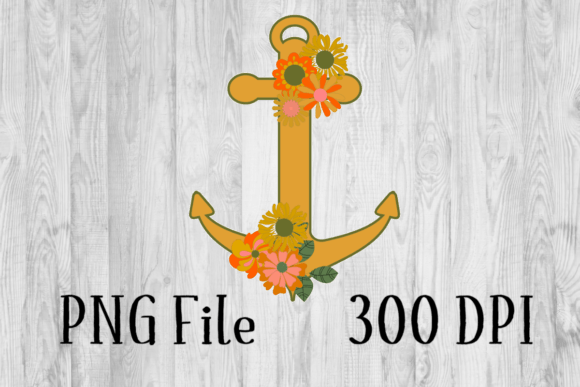
At its core, the concept is straightforward. An anchor silhouette is filled or intertwined with floral elements—petals, leaves, small blossoms—rendered in shades of yellow. The composition balances structure and softness. The anchor brings weight and symmetry, while the flowers introduce movement and a hand-drawn or illustrative feel. The entire design sits on a transparent background, meaning there is no white box, no border, nothing to interfere with placement on colored substrates or patterned surfaces.
Because the file is a 300dpi PNG, it maintains crisp edges and smooth curves even when resized. You can scale it down for a small patch or scale it up significantly for a tote bag or a T-shirt front without losing detail. That resolution threshold is important for anyone transferring images onto physical items, especially through sublimation, where clarity directly affects the final product quality.
Why Sublimation Crafters Gravitate Toward This File Type
Sublimation printing demands specific file properties. You need a high-resolution raster image, preferably with a transparent background, so the design can bond cleanly with polyester-coated surfaces without a visible rectangle around the edges. A PNG format preserves transparency in a way that JPEG files simply cannot. The instant download aspect also matters. Many crafters work in bursts of inspiration or against tight deadlines for markets, custom orders, or seasonal events. Waiting for a physical product to ship makes little sense when the design can be in your hands within seconds of purchase.
For someone pressing mugs, the Yellow Floral Anchor might become a coastal-themed addition to a summer collection. For someone creating baby onesies, the same graphic could read as a whimsical nursery motif. The yellow palette keeps things cheerful and gender-neutral, which broadens the range of products it can complement.
The Small Business Owner
If you run a product-based business, whether on Etsy, Shopify, or at local markets, your criteria for selecting artwork often revolve around commercial usability and customer appeal. A floral anchor in yellow has seasonal versatility—it works for spring and summer lines but does not feel out of place in fall collections when paired with warmer accent colors. Since the PNG has no background, you can layer it over wood textures, pastel gradients, or even photographic backgrounds in mockups without extra editing steps.
Cost predictability also plays a role. A one-time purchase with unlimited personal or small-business use means your per-item cost decreases with volume. The file's 300dpi resolution ensures that whether you press a slim phone case or a large wall tapestry, the quality holds. That technical reliability reduces the risk of reprints and wasted materials—something anyone operating on thin margins will appreciate.
The Hobbyist and Gift Maker
Someone crafting purely for enjoyment or to create personalized presents will likely evaluate designs through a lens of emotional resonance and ease of use. The anchor might remind them of a family beach trip, a loved one in the Navy, or simply a fondness for nautical decor. The flowers soften the traditionally rugged anchor image, making it suitable for recipients who prefer subtle, natural aesthetics over bold maritime themes.
For a beginner, the fact that the file is ready to use—no watermark removal, no background erasing, no vector tracing required—lowers the barrier significantly. You download it, import it into your design software, resize as needed, and print. The learning curve stays shallow, which matters when you are trying to enjoy the process rather than troubleshoot technical issues.
The Educator or Workshop Leader
Teachers and community workshop facilitators often need designs that can demonstrate techniques clearly. A file like the Yellow Floral Anchor offers enough detail to show how sublimation ink saturates different line weights and fills. The contrast between the anchor's solid structural elements and the finer floral details gives students a chance to see how their equipment handles both bold shapes and delicate edges.
Because the download is instant, an educator preparing a last-minute class on heat press basics can purchase, download, and have test prints ready within minutes. The transparent background means students can practice layering on different colored substrates without needing to edit the file first—a small but meaningful time-saver in a classroom setting.
Priorities That Shape the Buying Decision
Not everyone weighs the same factors equally when choosing a design file. Understanding your own priorities can clarify whether this particular graphic aligns with your project needs.
Quality and resolution tend to top the list for professionals and high-volume sellers. A 300dpi PNG offers a dependable baseline. Sublimation amplifies any flaws, so starting with a clean, high-resolution image reduces frustration later. The transparency is equally non-negotiable for anyone placing designs on anything other than white.
Speed and convenience matter more to time-sensitive creators. An instant download eliminates shipping delays. No watermark means no extra steps before production. For someone fulfilling a custom order that ships tomorrow, those small efficiencies compound quickly.
Aesthetic flexibility is a subtler factor. The yellow floral palette is distinctive enough to stand out but neutral enough to pair with various backgrounds and product types. A design that feels too niche may limit how many products you can build around it. This one straddles multiple themes—coastal, botanical, rustic, feminine, and more—without committing fully to any single one.
Learning value is often overlooked. Beginners may not realize how much they learn about file types, resolution, and layering simply by working with a well-prepared PNG. Experienced users sometimes return to simpler, cleanly built files when testing new equipment or substrates because the variables are easier to control.
Practical Examples Across Skill Levels
Imagine someone completely new to sublimation. They have a heat press, a stack of polyester blanks, and a mix of excitement and uncertainty. A transparent-background PNG like the Yellow Floral Anchor removes early obstacles. They do not need to isolate the design from a background or clean up stray pixels. They print, press, and evaluate. That quick success builds confidence for more complex projects later.
Now picture an experienced seller who has been running a sublimation shop for three years. They have hundreds of designs. What draws them to a new file is often reliability and a fresh take on a familiar theme. Anchors are popular, but many look overly masculine or purely nautical. The floral twist gives this version a broader demographic reach—teens, young adults, and anyone furnishing a light, airy home aesthetic. The seller can list the same design on mugs, pillow covers, tote bags, and kitchen towels without it feeling repetitive across categories.
A freelance graphic designer might use the file differently altogether. Rather than printing it directly, they could incorporate elements into a larger composition for a client project—a wedding invitation suite, a brand logo for a coastal business, or social media graphics for a summer event. The transparent background makes compositing seamless, and the 300dpi resolution holds up in print production alongside other design assets.
What to Look for Before You Commit
Even with a strong file, it is worth pausing to align the design with your specific goals. Ask yourself a few practical questions:
- Does the yellow color scheme match the product line or gift aesthetic you have in mind? Yellow is warm and inviting, but if your audience gravitates toward cool blues or monochrome palettes, you may need to plan complementary pairings.
- Is a raster PNG sufficient for your workflow? Sublimation users rarely need vector files, but if you plan to scale the design to extremely large dimensions—wall murals, oversized banners—confirm that the pixel dimensions support your intended output size without degradation.
- Will the floral elements reproduce cleanly on your chosen substrate? Finely detailed petals can look stunning on smooth ceramic or polyester fabric, but heavily textured surfaces may obscure some of the intricacy.
- Do you need extended commercial rights? Most standard licenses cover personal use and small-scale commercial products, but large-volume manufacturing may require additional permissions.
Why a Single Design Can Serve Many Purposes
The Yellow Floral Anchor illustrates something interesting about creative assets. One person sees a T-shirt graphic. Another sees a branding element. Someone else sees a learning tool. The file itself does not change; the context around it does. That is part of why clear, well-prepared design files remain valuable across such a wide spectrum of users.
For the entrepreneur, it is inventory. For the hobbyist, it is a Saturday project. For the educator, it is a teaching aid. The common thread is that each of them needs the file to work without friction—to download quickly, open cleanly, and perform predictably under heat and pressure. When a file meets those baseline technical standards, it fades into the background and lets the creative work take center stage. That quiet reliability is often what separates a design you use once from one you return to repeatedly across different seasons and projects.