Watercolor Floral Rose Clipart – Elevating Design Projects with Timeless Botanical Elegance
Digital creativity thrives on assets that balance artistry with everyday usability. Among the most sought-after resources for branding, stationery, social media graphics, and product packaging is watercolor floral rose clipart. What sets a premium collection apart isn’t just the hand-painted look — it’s the technical specifications, the file versatility, and the quiet confidence it brings to a project. In this deep dive, we’ll explore the layered value behind a specific offering that includes JPG and PNG files at a generous 4100 x 4100 pixel resolution, all captured at 300dpi. This is the kind of resource that slots effortlessly into modern workflows while honoring the soft, organic appeal of real watercolor blooms.
The Rise of Watercolor Aesthetics in Modern Visual Communication
Soft gradients, translucent washes, and textures that feel almost tactile — these qualities have moved watercolor visuals from gallery walls into the heart of commercial design. In recent years, brands across wellness, beauty, hospitality, and handmade goods have leaned into the warmth of botanical watercolors. A crisp vector logo may convey efficiency, but a watercolor floral rose clipart adds emotional depth. It signals authenticity, craftsmanship, and a slower, more considered approach — values that resonate strongly with audiences in their 20s through 50s who are often navigating both professional and personal brand-building.
This isn’t a fleeting trend. The shift toward natural, imperfect textures reflects a broader cultural appetite for analog charm in a screen-saturated world. Invitations, mood boards, editorial layouts, and even corporate presentations are borrowing from this palette. As remote collaboration and digital portfolios become standard, creators are collecting assets that help their work feel distinctive and human. High-resolution watercolor roses offer exactly that — a bridge between handcrafted warmth and pixel-perfect reproduction.
What Makes This Watercolor Floral Rose Clipart Stand Out?
When a designer or business owner downloads a digital art pack, the first things they check are resolution, format, and adaptability. The collection from desis design answers those questions immediately: each element comes in two industry-standard formats — JPG and PNG — both sized at 4100 x 4100 pixels, at a crisp 300dpi. That combination is not arbitrary; it reflects a clear understanding of how professionals actually use clipart.
The large 4100 x 4100 canvas means you can scale these roses for a wall art print, a book cover, or a social media banner without losing detail. The 300dpi density ensures that printed applications look as lush as their screen counterparts. Meanwhile, the dual format approach acknowledges that different projects demand different file behaviors. A PNG preserves the soft, transparent edges around a rose, letting it float naturally over any background. A JPG provides a lighter, print-ready version with embedded color information. Together, they form a complete toolkit rather than a scatter of pixels.
Understanding the Subtle Power of 4100 x 4100 Resolution
Resolution numbers can feel abstract, but in practice, a 4100 x 4100 pixel asset transforms possibilities. Imagine printing a rose at 12 inches by 12 inches — at 300dpi, that requires 3600 x 3600 pixels. This clipart exceeds that threshold, giving you room to crop, rotate, or compose multiple blooms without upscaling. For digital designers, the surplus pixels mean crisp detail on high-DPI screens such as tablets and modern laptops, where a 72dpi web graphic would appear soft or jagged.
Many free or low-quality clipart packs cap their files at 1200 or 2000 pixels, limiting reuse. When you invest in a resource like this watercolor floral rose clipart, you’re essentially buying creative headroom. You can use it for a detailed wedding invitation today and a storefront window graphic tomorrow, all from the same source file. This longevity matters for professionals who value efficiency and consistency across their brand’s visual library.
The Role of 300dpi in Print-Ready Design
Dots per inch (dpi) is a metric that print professionals treat as non-negotiable. 300dpi is the sweet spot for high-quality offset and digital printing — it matches the resolution most printers reproduce without interpolation. When you drop a 300dpi PNG of a watercolor rose into an InDesign layout for a brochure or packaging mockup, the printed result retains the delicate veining of petals and the subtle color bleeds. Lower dpi files can result in visible pixelation, which undermines the very aesthetic watercolor is meant to convey.
For small business owners creating their own marketing materials, this technicality is especially practical. They might design a run of thank-you cards, product labels, or fabric patterns. Starting with a 300dpi asset means they won’t face disappointing proofs. It’s a quiet insurance policy built into the file spec — one that desis design has clearly prioritized by including 300dpi for both JPG and PNG versions.
Real-World Applications Across Creative Disciplines
The versatility of high-resolution rose clipart extends into surprising corners of creative work. Here are a few grounded examples of how different professionals integrate these assets:
- Stationery Designers: Place a transparent PNG rose behind a monogram on a wedding invitation suite, layer multiple blooms for a floral border, or use a single stem as a subtle motif on an RSVP card. The large canvas lets you isolate exactly the portion you need.
- Social Media Managers: A quick JPG resize becomes an Instagram story background that feels painterly without overwhelming the text overlay. Pair a soft pink watercolor rose with a muted brand palette for consistent, scroll-stopping posts.
- Packaging Specialists: Mock up a candle label or soap wrap with a cluster of PNG roses. Because the background is transparent, the design integrates seamlessly with kraft paper textures or colored boxes, creating a handcrafted look.
- Educators and Content Creators: Build welcoming slide decks, worksheets, or digital planners with floral accents that don’t scream “clip art.” The watercolor texture adds maturity and warmth to materials aimed at adult learners or coaching clients.
- Fine Art Print Sellers: Incorporate the high-res JPG into a larger digital collage or art print, where the 4100 x 4100 size ensures gallery-quality reproduction without strain.
JPG vs. PNG – Choosing the Right Format for Your Workflow
The inclusion of both JPG and PNG in this pack isn’t a luxury — it’s a response to real editing scenarios. JPG files excel when you need a compact, universally supported image that holds color well. They’re ideal for direct uploads to web platforms, email attachments, or inserting into word processors. However, JPG doesn’t support transparency, so a rose on a white background stays that way unless you meticulously remove it.
PNG files, in contrast, treat transparency as a core feature. A single watercolor rose on a transparent canvas can be dropped onto any digital paper texture, photo, or gradient without a boxed edge cutting through the design. For collaging or multi-layered compositions in software like Procreate, Photoshop, or Canva, PNGs save enormous time. Having both options at identical 4100 x 4100 pixel dimensions means you never compromise between flexibility and convenience.
How This Clipart Aligns With Changing Creative Habits
Many creators now work across devices — starting a concept on an iPad, refining it on a desktop, and sharing previews on a phone. Assets that live in cloud folders must be ready for multiple outputs. The generous resolution of this watercolor rose collection supports that fluid workflow. You can import the PNG into an iPad lettering app, export a composition as a JPG, and send it directly to a client for print approval, all without resampling.
Simultaneously, the maker movement and direct-to-consumer brands have pushed design literacy into the mainstream. Entrepreneurs who once outsourced every visual detail now handle their own branding in tools like Canva or Affinity Publisher. For them, high-quality watercolor floral rose clipart is a shortcut to a polished, cohesive aesthetic. It reduces the reliance on stock libraries that can feel generic. Instead, a distinct hand-painted style — consistently rendered — helps a small business cultivate recognition in crowded marketplaces like Etsy, Instagram, or local markets.
Building a Visual Bridge Between Handmade Charm and Digital Precision
There’s an interesting tension at play in contemporary design: audiences crave authenticity, but they also expect crisp, professional execution. Watercolor rose clipart resolves that tension beautifully. The natural pigment blooms, soft edges, and slight irregularities of watercolor feel irreplaceably human. Yet because these files are perfectly digitized at 300dpi, they meet the technical demands of commercial printing and high-resolution screens.
For professionals in their 30s and 40s who remember the stiff, geometric clipart of early Microsoft Office, today’s painterly assets signal a maturation of digital art. This isn’t your grandmother’s clipart CD-ROM. It’s a carefully prepared resource that respects both the artist’s original brushwork and the end user’s need for a file that simply works, whether in Adobe Creative Suite, Microsoft Publisher, or a mobile app.
What’s Included — A Closer Look at the File Specifications
The pack offered by desis design doesn’t bury its details in fine print. The transparency about what you receive is part of its value. Specifically, the download contains watercolor floral rose elements in two formats:
- JPG files at 4100 x 4100 pixels, 300dpi
- PNG files at 4100 x 4100 pixels, 300dpi
This dual-format delivery ensures you’re equipped for both print and web. The consistency in pixel dimensions means you can mix and match components without worrying about mismatched proportions. And because each element is already isolated (especially in PNG form), you don’t need to spend hours masking petals from backgrounds — a common frustration with scanned art assets.
The inclusion of both formats also speaks to a thoughtful user experience. If you’re assembling a quick social post, grab the JPG. If you’re building a layered wedding invitation or a product mockup, reach for the PNG. The versatility doesn’t force you into a single pipeline; it adapts to your process.
Why Detail-Oriented Creators Appreciate High-Resolution Botanical Assets
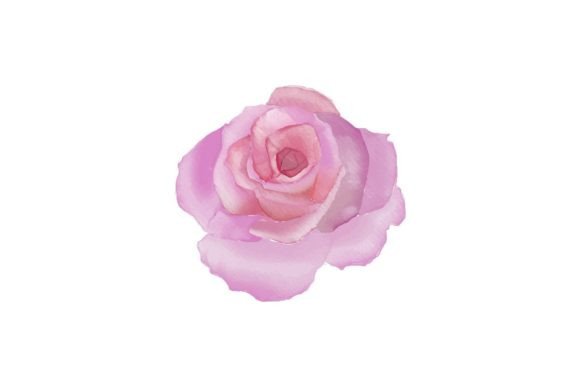
Details like the irregular edges of a painted petal or the subtle granulation of pigment become lost in small or low-resolution files. When you zoom into a 4100 x 4100 pixel watercolor rose, you can see the texture that makes watercolor so appealing — the bloom where one color bleeds into another, the reserved white space that creates highlights. These nuances matter when the final output is a large-format print or a high-definition display.
Marketers and bloggers, for instance, often need to repurpose the same image across multiple channels. A full-resolution asset can be cropped tightly for a Pinterest pin, scaled for a blog header, and reduced for an email newsletter without ever looking soft. It’s a practical long-tail benefit that aligns with the “create once, publish everywhere” mindset many content teams adopt.
Staying Connected With desis design for Future Digital Art
The enduring appeal of watercolor florals means that creators often build a library of complementary elements — leaves, wreaths, bud clusters, and other botanical accents. Following a studio like desis design that consistently releases cohesive, high-resolution artwork allows you to maintain a uniform style sheet across all your materials. Whether you’re curating a brand identity or simply enjoy collecting premium digital art for spontaneous projects, staying connected to their releases can streamline your resource gathering.
Because the digital art landscape evolves rapidly, from AI-generated imagery to augmented reality filters, a stable source of handcrafted, high-resolution assets becomes a reliable anchor. When a collection states “What’s Included” so clearly, and delivers on the technical promise of 4100 x 4100 PNG and JPG at 300dpi, it cultivates trust that extends to future purchases.
Practical Recommendations for Getting the Most From Your Clipart
To fully leverage these watercolor roses, think beyond the obvious. Pair them with sans-serif typography for a modern, clean contrast. Use them as hero elements on a website’s about page to soften corporate tones. Print them on specialty paper such as vellum or cotton rag for tactile marketing pieces. Experiment with blending modes in your design software to let the watercolor interact with underlying textures. And always save a master copy of the original files — the 4100 x 4100 canvas is large enough that you should preserve it intact and create duplicates for manipulation.
The shift toward more intimate, human-centered design language means assets like these are not merely decorative. They become part of the visual vocabulary that connects a brand or personal project with its audience. As aesthetic preferences continue to embrace the imperfect and the painterly, having a go-to library of high-resolution botanical elements is as strategic as choosing the right typeface.
Anticipating Design Trends While Grounding Your Workflow
Looking ahead, the demand for watercolor textures and floral motifs shows no sign of waning — but the bar for quality is rising. Audiences can quickly distinguish between a rushed digital watercolor filter and a genuine hand-painted element digitized with care. The 300dpi at 4100 x 4100 pixels ensures that what you present is firmly in the latter category, even if you aren’t a painter yourself.
For the broader creative community, from ad agencies to solo stationers, the key takeaway is efficiency without compromise. When you open a folder of crisp, transparent PNGs and vibrant JPGs, you’re not just receiving images — you’re receiving creative permission to work faster, design more boldly, and trust that the output will hold up under scrutiny. Watercolor floral rose clipart, when produced with this level of specification, becomes a quiet but powerful enabler of that trust.