Lilac Vibe Floral Watercolor Clipart: A Complete Guide to Elegant Botanical Design Elements
In the world of digital design, few aesthetics capture softness and romance quite like watercolor florals. Among the many botanical themes available, the lilac palette holds a special place, evoking feelings of springtime renewal, gentle elegance, and timeless charm. When you discover a carefully curated collection of lilac floral watercolor clipart, you unlock a versatile toolkit that can transform everything from wedding invitations to brand identities. This article takes a deep dive into what makes these collections valuable, how they are structured, and how you can use them to elevate your creative projects—whether you are a seasoned graphic designer or someone just beginning to explore digital art.
Understanding Floral Watercolor Clipart and Its Growing Popularity
Before we explore the details of any specific collection, it helps to understand what floral watercolor clipart actually represents. At its core, clipart refers to pre-made images and illustrations that users can incorporate into their own designs. Unlike traditional vector graphics with clean, sharp edges, watercolor clipart captures the organic, flowing nature of real paint on paper. The pigments bleed softly into one another, creating gentle gradients, transparent washes, and delicate textures that feel handcrafted and intimate.
These digital illustrations are typically saved as PNG files with transparent backgrounds, allowing them to layer seamlessly over photographs, colored paper textures, or solid backgrounds. Designers, crafters, entrepreneurs, and hobbyists alike turn to watercolor clipart because it offers the beauty of hand-painted art without requiring painting skills, expensive materials, or the time involved in creating original watercolor pieces from scratch. The convenience is undeniable, yet the results can look remarkably bespoke.
In recent years, the demand for botanical and floral clipart has surged alongside the growth of DIY wedding planning, small business branding, and personalized stationery trends. People crave designs that feel authentic, imperfect in the most beautiful way, and connected to nature. Watercolor florals satisfy all these desires, making them a staple in modern digital asset libraries.
The Unique Allure of the Lilac Color Palette
Lilac occupies a fascinating position on the color spectrum. Sitting between pale violet and soft pink, it carries the calmness of blue undertones while retaining the warmth of blush hues. Psychologically, lilac is associated with creativity, serenity, femininity, and a touch of whimsy. It is less intense than deep purple, more interesting than plain pastel pink, and universally flattering across design contexts.
When applied to floral illustrations, lilac tones evoke specific flowers that people love: actual lilac blooms, lavender sprigs, wisteria vines, hyacinths, and certain rose varieties. The color naturally suggests spring gardens, afternoon tea parties, romance, and gentle celebrations. This makes lilac vibe floral watercolor clipart particularly well-suited for projects that aim to communicate softness, elegance, and a welcoming atmosphere.
From a practical design standpoint, lilac pairs beautifully with complementary colors such as sage green, dusty blue, cream, gold, and charcoal gray. This versatility means that a collection centered on lilac florals can adapt to a wide range of aesthetic directions, from rustic and bohemian to clean and modern. The emotional resonance of the color, combined with its visual flexibility, explains why so many creatives seek out lilac-themed botanical assets.
What You Will Find in a Comprehensive Floral Clipart Collection
A well-organized clipart collection typically offers two types of assets: individual elements and pre-made compositions. Understanding the difference between these can help you make the most of the package you download. Let us examine what this structure looks like in practice, using a representative lilac watercolor collection as our reference point.
Individual Elements: Building Blocks for Custom Designs
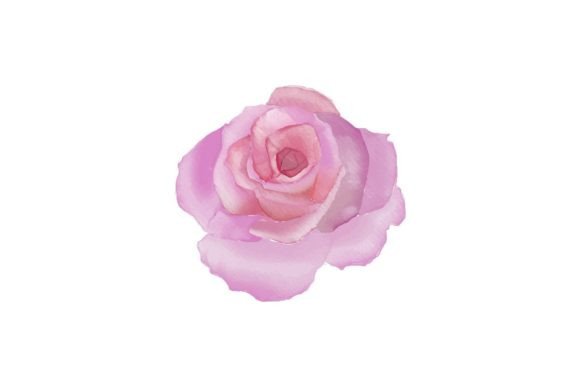
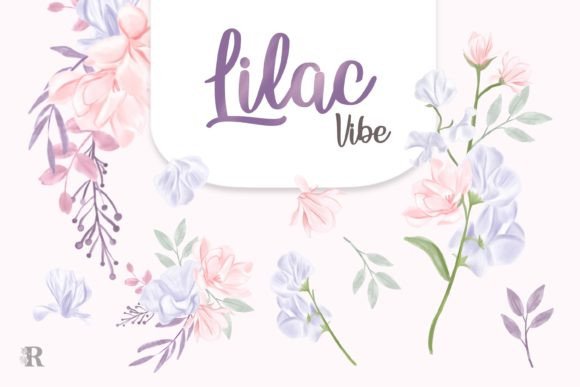
In this particular collection, you receive 18 individual elements. These are standalone illustrations, each carefully extracted and saved as its own PNG file. Individual elements might include single lilac blossoms, small floral clusters, individual leaves and stems, scattered petals, buds, and delicate botanical accents. Having access to separate components gives you the freedom to arrange them however you choose. You can position a single flower in the corner of a thank-you card, scatter several blossoms across a website header, or build an entirely new bouquet from scratch.
The value of isolated elements cannot be overstated. Designers often need to fill specific spaces or create asymmetrical arrangements that feel organic. Pre-grouped compositions are wonderful for quick use, but individual pieces allow for complete creative control. You become the florist, arranging each petal and leaf to suit the exact proportions and mood of your project. This level of customization is especially important when you are working with layouts that have unusual dimensions or when you need to weave floral accents around existing text or logos.
Pre-Made Compositions: Ready-to-Use Artistic Arrangements
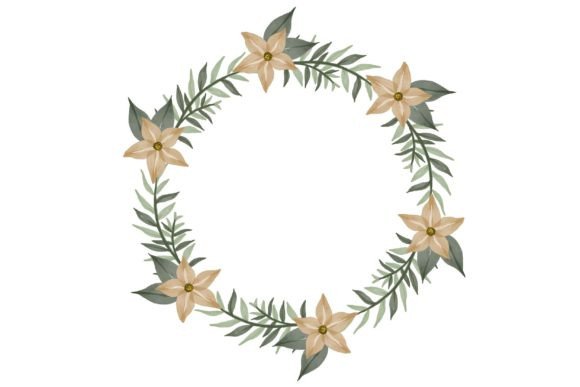
Alongside the individual elements, the collection includes 15 pre-made compositions. These are thoughtfully arranged groupings that have already been artistically composed. Imagine a wreath of lilac flowers and greenery circling an empty center, perfect for framing a monogram or event date. Picture a cascading corner bouquet designed to flow elegantly down the side of a page. Envision a symmetrical floral border, a clustered bouquet tied with a ribbon, or a delicate frame of blossoms and leaves.
Pre-made compositions save time and provide professional-looking results instantly. For beginners, they remove the guesswork of proportion, balance, and spacing. For experienced designers working under tight deadlines, they offer a quick solution that still looks custom-crafted. The 15 arrangements in this collection likely cover a variety of shapes and densities, ensuring that you have options suitable for square graphics, vertical posters, horizontal banners, circular badges, and everything in between.
Technical Specifications and File Details Explained
When you download a digital clipart collection, understanding the technical side of what you receive is crucial for successful usage. Let us break down exactly what the downloaded file contains and why each specification matters.
The purchase or download delivers 1 zip file containing 33 PNG files. Zip compression keeps the package size manageable while preserving every pixel of image quality. Once extracted, you gain access to all 33 illustrations—this total represents the 18 individual elements plus the 15 pre-made compositions mentioned earlier. The format choice is deliberate and practical. PNG stands for Portable Network Graphics, and its defining advantage for clipart is its support for transparency. Every flower, leaf, and composition sits on a clear background, meaning you can place these illustrations over any color, texture, or image without unsightly white boxes ruining the effect.
Each illustration in this collection measures approximately 3000 pixels by 3000 pixels, which translates to about 10 inches by 10 inches at the standard print resolution of 300 DPI. DPI, or dots per inch, indicates how densely the image information is packed. At 300 DPI, these illustrations meet the professional printing standard required for crisp, clear results on physical products. Whether you are printing on cardstock, canvas, fabric, or high-quality paper, the images will render without pixelation or blurring.
The generous pixel dimensions mean you can scale the illustrations down for small uses—such as stickers, business card accents, or social media icons—while still retaining the option to use them at full size for substantial projects like framed wall art, large-format invitations, or fabric patterns. The files are compatible with most major programs and software, including industry standards like Adobe Photoshop, Adobe Illustrator, Canva, Procreate, Affinity Designer, CorelDRAW, and even basic word processors and presentation software that support PNG insertion.
Practical Applications Across Creative Fields
The versatility of lilac floral watercolor clipart extends across an impressive range of real-world applications. Understanding these possibilities helps you see the value of the collection beyond its immediate aesthetic appeal.
- Wedding Stationery: Invitations, save-the-date cards, RSVP inserts, menus, place cards, table numbers, thank-you notes, and seating charts all benefit from romantic floral accents. Lilac themes work beautifully for spring and summer weddings, garden ceremonies, and bridal showers.
- Branding and Logo Design: Boutique businesses—such as florists, bakeries, beauty salons, wellness coaches, and handmade goods shops—can incorporate these florals into logos, business cards, and packaging. The watercolor texture softens corporate edges and communicates an artisanal, personal touch.
- Social Media Content: From Instagram posts and Pinterest pins to Facebook covers and YouTube thumbnails, botanical clipart helps content creators establish a cohesive, recognizable visual identity. The lilac palette performs especially well in lifestyle, beauty, and inspirational niches.
- Home Décor and Printables: Crafters can create wall art prints, pillow covers, tote bags, and framed quotes. The high resolution supports physical products that people proudly display in their homes.
- Scrapbooking and Journaling: Digital and hybrid scrapbookers use floral clipart to embellish memory pages, bullet journal layouts, and planner spreads. The individual elements allow for endless customized arrangements.
- Educational and Presentation Materials: Teachers, speakers, and coaches can soften the look of slides, worksheets, and handouts. A subtle floral corner or border adds warmth without distraction.
Common Misunderstandings About Digital Clipart Usage
Despite the widespread availability of digital clipart, several misconceptions persist among new users. Addressing these helps ensure that you approach your projects with confidence and clarity.
One frequent assumption is that clipart is inherently low-quality or amateurish. This might have been true decades ago when clipart consisted of simplistic cartoon graphics bundled with office software. Today, however, professional clipart collections—especially those featuring hand-painted watercolor designs—rival custom illustrations in beauty and sophistication. The quality depends entirely on the source and the artist behind the work.
Another misunderstanding involves file compatibility. Some users worry that PNG files will not work with their software of choice. In reality, PNG is one of the most universally supported image formats in existence. Even basic tools like Microsoft Word, Google Docs, and simple photo editors accept PNG placement without issue. What you may lose in advanced tools is the ability to recolor or edit the artwork extensively, but for straightforward placement and resizing, compatibility is rarely a concern.
People also sometimes confuse clipart with stock photography. While both are digital assets used in design, clipart consists of illustrated or painted elements, often with transparent backgrounds, while stock photos are photographic images. Watercolor clipart bridges these worlds by offering painterly, artistic content that can be used in ways photographs cannot—layering, repeating, and integrating into typographic layouts with ease.
Finally, there is the question of licensing. Reputable clipart collections come with clear terms regarding personal and commercial use. Before using any assets for client work or products you intend to sell, verify the license included with your download. Many collections permit commercial use with some restrictions, but it is always wise to confirm the specifics directly from the seller or creator.
Tips for Integrating Floral Watercolor Clipart Effectively
To get the most polished results from your lilac clipart collection, consider a few guiding principles. First, think about scale and proportion. A delicate flower that looks perfect on a greeting card may become overwhelming if you enlarge it to poster size without adjusting your layout. Conversely, a tiny blossom might lose impact on a large canvas. Experiment with sizing until the arrangement feels balanced.
Second, consider color harmony. While the lilac flowers will carry their own inherent palette, the backgrounds and companion elements you choose should support rather than compete. Soft neutrals allow the florals to shine; bold, clashing colors can make even the prettiest clipart feel chaotic. If you are unsure, stick with cream, white, pale gray, or muted green backgrounds for a foolproof combination.
Third, layer thoughtfully. PNG transparency allows you to stack elements, creating depth and complexity. You can place leaves behind flowers, scatter petals in the foreground, and overlap compositions to form entirely new arrangements. This technique rewards patience and experimentation, often yielding results that look completely original compared to the pre-made compositions alone.
Why High Resolution Matters More Than You Might Think
The 300 DPI resolution and 3000-pixel dimensions of this collection are not just technical bragging points—they have practical implications for your work. Low-resolution images might suffice for web-only use, where screens typically display at 72 DPI. However, the moment you attempt to print a low-resolution graphic, problems emerge. Edges appear jagged, details become muddy, and the overall impression is unprofessional.
By starting with high-resolution source material, you future-proof your designs. A wedding invitation suite printed at 300 DPI looks crisp and luxurious. That same artwork, reduced for a website banner, will still look excellent because downscaling preserves quality. You cannot, however, go in the opposite direction—enlarging a small, low-resolution image for print results in irreparable quality loss. The generous dimensions provided here give you safe creative margins, ensuring that your projects look their best regardless of the medium.
Embracing Creativity With Lilac Botanical Designs
At its heart, working with floral watercolor clipart is about bringing a piece of nature's beauty into your creative work without the constraints of traditional art-making. The lilac aesthetic, with its dreamy purples and soft greens, invites a mood of calm celebration. Whether you are designing for a client, launching a product, preserving memories in a scrapbook, or simply exploring a new hobby, these digital assets lower the barrier to beautiful results.
The structure of the collection—balancing ready-made arrangements with flexible individual pieces—reflects an understanding of how real people work. Sometimes you need speed; other times you need total control. Having both options in a single download respects your time and your creativity in equal measure. The technical quality ensures that your output remains professional, while the artistic quality ensures that your work stands out.
As digital design continues to blend with handmade aesthetics, the appeal of watercolor clipart shows no sign of fading. Collections that combine careful curation, generous variety, and uncompromising resolution empower users at every skill level. The lilac-themed florals offer a specific, beautiful point of entry into a broad world of botanical design possibilities—one that is as enjoyable to explore as it is rewarding to master.