Anatomical Heart Sublimation Floral PNG: A Practical Guide
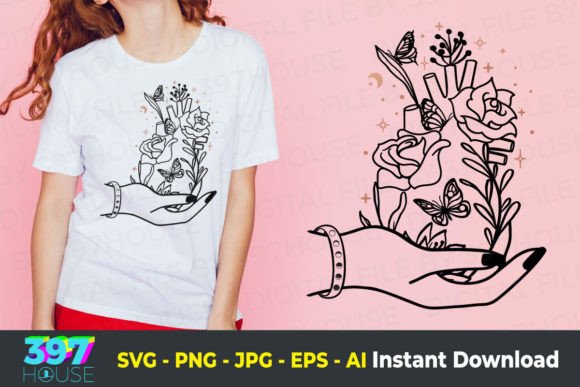
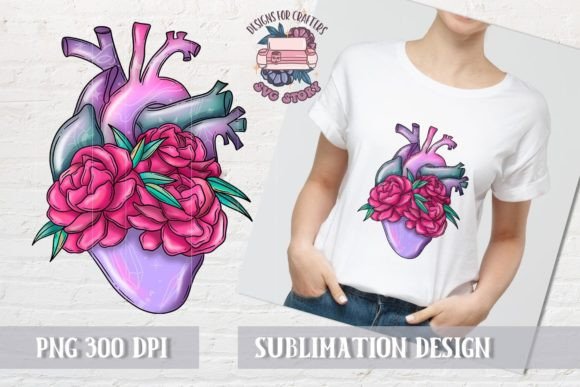
A beautifully layered bloom unfolding from an anatomical heart instantly does two things: it catches the eye and tells a story. The Anatomical Heart Sublimation Floral PNG is a ready‑to‑press digital file that blends botanical softness with medical realism, and because it arrives at 300DPI in a generous 12×12 inch canvas, it opens up possibilities far beyond a single craft. Whether you are stocking a small product line, teaching visual literacy, or simply making a one‑of‑a‑kind gift, the way you view this artwork will naturally shift depending on what matters most to you.
Seeing the Asset Through Different Lenses
A seasoned sublimation seller and a first‑time maker rarely ask the same questions. The experienced professional might immediately check the resolution and color richness, knowing that a 300DPI file prevents visible pixelation even when pressed onto a large tote bag. At the same time, someone just learning the craft can open the PNG, place it onto a blank template, and see the design appear correctly without needing to trace, isolate, or adjust awkward outlines. Both groups are right to focus on what helps their workflow, and this design supports both ends of the spectrum because it ships as a clean, transparent‑background image with no extra steps.
For entrepreneurs and small business owners, the anatomical heart motif holds a unique advantage: it sits comfortably across multiple niches. A boutique that sells self‑care products might place it on a ceramic diffuser plate, while a fitness‑themed brand could press it onto a performance shirt to suggest heart health. The hybrid nature of the artwork—scientific anatomy wrapped in petals and leaves—means it appeals to buyers looking for something symbolic without being overly literal. When time is money, a single high‑resolution file that works for tumblers, pillow covers, tote bags, and wall art reduces the need to source multiple designs.
In a teaching or community workshop setting, the same image provides a gentle entry point into sublimation printing while also sparking a discussion about anatomy, botanical drawing, or composition. Educators often value materials that feel special but don’t require heavy editing, and a 12×12 inch canvas offers enough scale to demonstrate how size affects impact without worrying about upscaling artifacts. Beginners leave with a professional‑looking result, which builds confidence quickly.
Why Technical Specs Are a Practical Priority
Not everyone nerds out over DPI and file structure, but these details directly shape what you can create. The file arrives as a PNG with 300DPI resolution inside a 12×12 inch format. In plain terms, that gives you safe room to print edge‑to‑edge on larger blanks without degradation, and the transparent background makes layering almost effortless. When you open the zipped folder (and yes, you will want a tool to unzip archives, as the product note kindly reminds), you get a single, ready‑to‑use design that won’t need node‑by‑node cleanup.
For creators who frequently combine multiple PNGs into a collage or mockup, this file behaves well inside programs like Photoshop, Affinity, or even free tools such as Canva’s editor. You can resize it, rotate it, add a soft glow behind the flowers, or change the background color instantly—there is no white box to cut out. That alone saves minutes per design session, and over months that time adds up.
People evaluating the cost‑versus‑value side often notice that high‑resolution commercial‑use assets take time to create from scratch. A detailed anatomical heart intertwined with peony‑like blossoms and delicate leaves isn’t a quick sketch; it’s a composition someone carefully balanced. By sourcing a file like this, you invest in hours of drawing time already done, plus the assurance that it won’t blur on a 15‑inch laptop sleeve or a large‑format press. That reliability becomes especially important when you sell physical items and returns due to blurry prints would hurt more than the original cost of the design.
Matching the File to Your Project Goals
Take three different people and you’ll get three different yes‑or‑no checklists. A hobbyist making a personalized anniversary mug probably needs a design that feels heartfelt and requires minimal tweaking—open, place, press. For them, the appeal of an anatomical heart that looks like a garden in bloom is instant symbolism, and the 12×12 file means they can use it again later on a larger platter without buying again. A graphic designer selling printable wall art, by contrast, will care more about whether the style meshes with their existing collection and if the resolution holds up when it’s framed. And a marketer running a limited‑edition drop might prioritize a concept that feels surprising yet familiar, because designs that blend two recognizable elements—like a scientific heart and soft flora—tend to stop scrolling thumbs.
That blend is worth lingering on. Anatomical symbolism has gained traction in wellness circles, medical fundraising campaigns, and alternative fashion alike. When you soften the raw biological shape with blooming petals, you bridge a gap between hard facts and emotional resonance. Many buyers will never articulate that gap; they simply pause and say “that’s beautiful.” As a seller or creator, you’re giving them a visual shortcut to a feeling, which is often the quiet goal behind a purchase.
Practical Ways Different People Put the PNG to Work
- Custom apparel crafters press the design onto lightweight hoodies, raglan sleeves, or the back of denim jackets where the 12‑inch dimension fills the space without hitting awkward margins.
- Sublimation tumbler artists reduce the file for skinny tumblers or use a large section to wrap a chunky 30‑oz mug, letting the leaves bend naturally around the curvature.
- Stationery designers sometimes extract just the floral clusters and place them onto notebook covers or enamel pin backing cards, keeping the heart intact for a tote bag in the same collection.
- Educators and presenters print the artwork onto a fabric banner for health fairs, using the heart as a conversation starter about organ function and emotional metaphors.
- Do‑it‑yourself home decorators sublimate the image onto a square pillow cover, then pair it with botanical‑print cushions for a gallery wall feel on the sofa.
The common thread is flexibility. Since the artwork comes with full transparency, you never have to worry about a mismatched white rectangle peeking out from behind your press. That small technical point makes a huge perceptual difference when a customer receives a product and the design looks like it was painted directly onto the fabric or ceramic, not stuck onto a patch.
Things Worth Checking Before You Begin
No digital file is perfect for every single setup, so a quick evaluation saves headaches. First, verify your software can open a zipped archive and import a PNG that size. Most modern tools handle this easily, but if you work primarily on a tablet or smartphone, you might need to transfer the file to a desktop for the unzip step. Second, remember that sublimation relies on high heat and polyester‑coated blanks. The 300DPI quality only shines on the final product if your press settings are tuned correctly; the design itself is print‑ready, but a cold or uneven press can mute the crispness, regardless of the file.
When you think about long‑term usefulness, a 12×12 high‑resolution PNG is essentially a canvas you can revisit whenever a project calls for a deep, meaningful focal point. Even if your current run sells out, you can return to it months later for a new product line without fear that it’ll look dated. The floral‑anatomical fusion has roots in vintage scientific illustration and keeps resurfacing in contemporary design, which gives it unusually steady relevance.
How Self‑Direction Guides Your Choice
Every buyer approaches a design like this from a slightly different angle, and that’s the healthiest way to decide if it fits. Ask yourself a few honest questions: Do you need something that ships ready to press, or do you enjoy hours of manual editing? Are you building a collection around mindful, nature‑infused imagery, or is this a one‑time gift project where ease matters most? Does your audience respond to the interplay of strength and softness that an anatomical heart carries? If those answers light up, the file aligns well. If you find yourself wishing for a different color palette or a totally different symbol, you may want to browse variants or use this as an inspiration for a custom request (the artist welcomes inquiries for special formats).
Remember that a file is just a quiet ingredient until you activate it. A tumbler maker, teacher, small business owner, and paper‑goods designer might all download the same PNG and walk away holding objects that feel completely distinct. The difference lies in the blanks you choose, the complementary text you add, and the story you build around the final piece.
Keeping the Human Touch Alive
While it’s tempting to focus solely on technical specs, the real reason an anatomical heart with flowers sticks around in someone’s catalog or memory is because it says something about resilience, growth, or the messy beauty of being human. When you press that image onto a physical object, you’re handing someone a little reminder they can hold, wear, or display. That’s not a feature on a checklist, but it’s often the difference between a product they use once and one they keep coming back to.
If you ever need a custom twist on this base artwork—a different crop, a shifted color profile, or a format beyond the standard PNG—reaching out to the creator is part of what makes buying from an independent design studio different from grabbing a generic stock asset. You stay part of the creative loop rather than hit a hard wall. And when you return to your own workspace, that open communication can spark a clearer vision for how the floral heart will beat inside your next project.