How Kawaii Floral Art Transforms Ordinary Projects
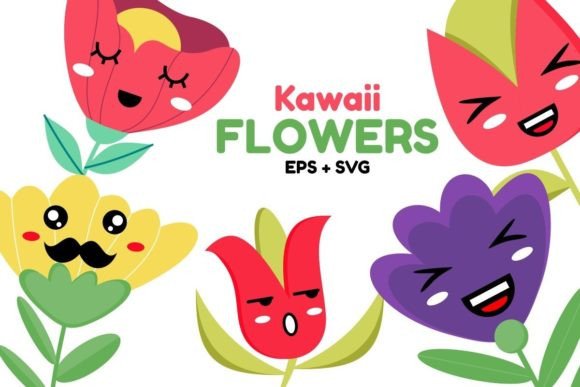
The phrase Kawaii Floral Art brings to mind playful petals, soft pastel blossoms, and a gentle visual language that immediately sets a welcoming tone. More than just a style, it is a design approach that blends the Japanese concept of “kawaii” — often translated as cute, charming, or endearing — with botanical forms. The result feels approachable, emotionally warm, and surprisingly adaptable across a wide range of digital and print work. Whether you are refreshing a blog, personalizing invitations, or building a product line, understanding the practical value of this aesthetic can shift a project from forgettable to genuinely memorable.
What makes this particular design resource stand out is not just the style, but the flexibility built into how it is delivered. The package offers five digital files, all set to a generous 1920 by 1280-pixel canvas. That specific ratio gives you a horizontal, wide-screen friendly starting point — ideal for website headers, social media banners, video thumbnails, and presentation slides. Because you receive the artwork in multiple formats, including vector-based options, you avoid the frustration of finding a lovely image that becomes pixelated the moment you need to enlarge it.
The Gentle Power of Kawaii Floral Art in Visual Communication
Kawaii Floral Art does more than decorate. It communicates a specific emotional register — one of softness, optimism, and approachability. This matters in fields where first impressions are everything. A handmade-looking floral frame around a quote turns it into a shareable piece of content. A repeating pattern of tiny smiling daisies on a packaging mockup suggests care and thoughtfulness. The charm comes not from complexity, but from an intentional simplicity that makes a viewer pause and smile. When you place a well-edited kawaii floral element next to clean typography, the contrast often strengthens the overall message rather than distracting from it.
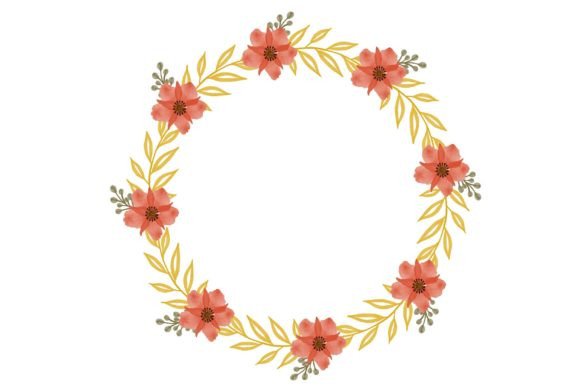
For professionals in counseling, coaching, education, or wellness, this visual tone can help lower perceived skepticism. A workshop flyer decorated with a delicate wreath of blush-toned blooms feels more inviting than a stark, corporate layout. It signals warmth without sacrificing credibility, as long as the composition remains balanced. The design itself becomes a bridge between the message and the recipient’s emotional state, encouraging longer engagement times and a stronger recall.
Why Creators Are Moving Toward Editable Floral Assets
Many designers and small business owners have shifted away from single-use graphics. They need assets that evolve with the project. This is where the file format variety in the download becomes a quiet workhorse. Receiving the artwork as an AI file means Adobe Illustrator users can customize every petal, recolor paths, and adjust line weight in seconds. The EPS file offers cross-software compatibility,目前 A reliable bridge for older design tools or print shops that prefer encapsulated PostScript. The SVG file meanwhile integrates directly with modern web workflows — think inline SVG animations on a landing page, or scalable icons for a mobile app. Having these three vector formats in one purchase eliminates time spent tracing and redrawing. You simply open, adjust, and export.
For those who need an instant, ready-to-use version, the JPG and PNG files cover both web and presentation needs. The PNG retains a transparent background when available, making it perfect for layering over photos, textured backgrounds, or solid colour blocks without an awkward white box. The JPG provides a lightweight alternative for email headers or quick social posts where file size matters. Together, these five files ensure that the same kawaii floral motif can work in a professional design suite in the morning and on a simple mobile editing app by the evening.
Practical Applications Across Professions and Hobbies
The width of the 1920-by-1280 canvas naturally lends itself to digital-first projects, but its resolution is high enough to be printed at standard sizes without loss of quality. Consider a few specific ways creators integrate this kind of asset into their daily work.
Blog and online publication owners often struggle to maintain a consistent visual identity. A saved template combining the kawaii floral elements as section dividers, header backgrounds, and featured image frames instantly unifies a website. Because the artwork is vector-based in three formats, the colour palette can be altered to match seasonal themes — soft pinks and mint greens for spring, for example, or warmer peach and lavender tones later in the year.
Stationery and event planners find that such designs dramatically reduce design approval loops. Instead of explaining a mood board to a client, a designer can drop a ready-to-customize floral arrangement into an invitation layout, swap a few colours, and present a polished draft. The EPS and AI files allow for easy separation of elements, so a single blossom can be reused as a monogram accent, envelope liner pattern, or thank-you card detail. The result is a cohesive suite that feels handcrafted without the hours of manual retracing.
Educators and content creators benefit from the approachable charm as well. A downloadable worksheet framed with smiling floral characters feels less intimidating for younger learners, while an online course cover featuring soft botanical accents subtly suggests warmth and approachability. The PNG format, with its clean transparency, can be dropped into slide decks created in Canva, Google Slides, or PowerPoint, giving non-designers access to a polished look in minutes.
Branding for lifestyle products is another natural fit. Small batch candle labels, soap wraps, or tea sachets printed with kawaii floral motifs instantly communicate a handmade, artisan quality. Because the design can be resized infinitely through the vector files, it works on a tiny jewelry tag as well as a large market stall banner without any jagged edges. This consistency builds a recognizable visual brand across touchpoints that would otherwise require multiple separate assets.
Streamlining Workflows With a Single, Adaptable Design
One under-discussed advantage of receiving the same artwork in both vector and raster formats is the elimination of conversion hesitation. You no longer have to wonder whether a downloaded file will work in your specific software. If you primarily work in Adobe Illustrator, the AI file opens with layers intact when the artist provided them that way. If you use Affinity Designer or CorelDRAW, the EPS or SVG handles the transfer smoothly. Even free software like Inkscape can open the SVG and allow extensive edits. This cross-tool readiness can save an hour or more per project when compared to cleaning up a stock image that was never meant to be modified.
Moreover, the fixed 1920 by 1280 canvas size serves as a helpful constraint. Rather than start with a sprawling, undefined space, you begin with a cinematic ratio that fits most modern screen presentations out of the box. Cropping is always possible for square Instagram posts or tall Pinterest pins, but having that baseline horizontal orientation lets you immediately visualize the asset in a real-world context — a laptop screen, a YouTube channel header, or a digital event backdrop.
Who Gains the Most from This Collection of Floral Designs
While almost anyone working with visual content can find a use for kawaii-inspired florals, certain groups of people stand to benefit more simply because of how their work is structured. Freelance graphic designers who regularly create social media templates for clients will appreciate the editability of the AI and EPS files. They can turn one purchase into dozens of client adaptations by recolouring and recomposing the elements, building a library of unique layouts without recurring licensing fees or attribution requirements in most cases.
Small business owners who manage their own marketing often lack dedicated design staff. For them, the PNG and JPG files offer a low-barrier entry point. They can overlay the transparent PNG on product photos in the free version of Canva, add their logo, and publish in minutes. Meanwhile, the SVG option means that as their skills grow, they can move the same artwork into more advanced projects without hunting down a replacement asset. This kind of scalability supports both immediate needs and longer-term skill development.
Hobbyists in journaling, scrapbooking, and card making form another appreciative audience. While the files are digital, they can be printed on sticker paper, heat-transfer vinyl, or high-quality cardstock using a home printer. The high pixel dimensions ensure that a 5-by-7 inch print retains clear, crisp details. Printable digital decor has become its own creative niche, and a tightly themed kawaii floral set reduces the time spent scouring multiple shops for matching pieces.
Creative educators and content strategists will also find that the gentle aesthetic helps increase click-through rates on visual-heavy platforms. A video thumbnail that combines a soft floral wreath with a bold, rounded font creates an emotional pull that stark, text-only thumbnails lack. Even in a professional context, a presentation slide featuring a small corner arrangement of smiling flowers can lighten a data-heavy talk without undermining the presenter’s authority.
What You Receive and How to Start Editing Immediately
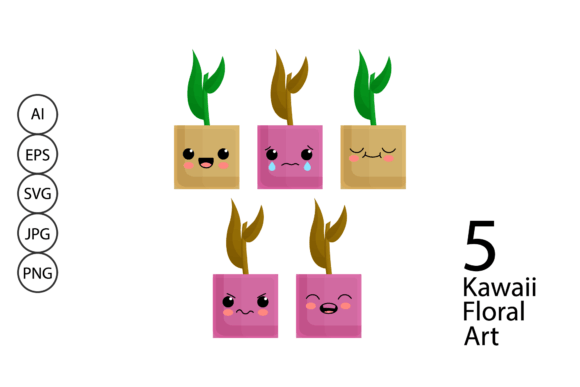
Every download of this Kawaii Floral Art package is structured for immediate productivity. Inside you will find the following five digital files, all sharing the same base artwork at a 1920px by 1280px canvas size:
- AI File – native Adobe Illustrator format for in-depth editing and recolouring
- EPS File – widest compatibility with professional design and print software
- SVG File – clean vector code for web, mobile, and open-source editors
- JPG File – flattened, high-resolution raster image for quick use
- PNG File – raster image with transparency support for effortless overlaying
The design is intentionally “easy to edit and use” — a key promise that holds up when you open the vector formats and see well-organized layers or grouped paths that can be separated and moved independently. For beginners, the raster files remove any initial barrier. For veterans, the vector files offer deep control. This hybrid approach respects different skill levels without locking anyone into a single editing path.
To get started, consider your immediate project need. If you are updating a website banner, load the SVG or AI file into your design tool, adjust the colour fills to match your brand palette, and export the composition as a compressed JPG or WebP for performance. If you are creating a printable sticker sheet, open the PNG in a program like Procreate or Photoshop, isolate individual blossoms using the lasso tool, and arrange them into a cut-friendly layout. The horizontal canvas provides enough real estate to see the full arrangement, even when printed at A5 or larger sizes.
When to Consider Alternatives and Understand Fit
No single design asset fits every situation, and being clear-eyed about limitations helps you make a confident decision. The fixed 1920-by-1280 pixel canvas is ideal for wide-screen applications, but if your primary output is consistently portrait-oriented — such as tall Instagram Stories or A4 vertical documents — you will likely need to crop significantly or rearrange elements. This is entirely possible with the vector files, but it does add a layer of adjustment that a purpose-bought vertical composition would avoid. Similarly, the colour palette may lean toward softer pastels; if your brand identity relies on neon brights or high-contrast primary tones, be prepared to spend a little extra time recolouring the vectors to match.
Another consideration involves software access. While the EPS and SVG formats circumvent many compatibility issues, users who exclusively work on a tablet with raster-only apps may find the vector files temporarily inaccessible until they transfer the assets to a laptop or desktop with vector editing capability. This is less a flaw of the product and more a workflow reminder: the promise of deep editability comes alive best when paired with an appropriate tool. For those who rarely edit beyond adding text, the PNG and JPG versions will likely suffice and there is no need to overthink the vector side.
Finally, the nature of kawaii floral art carries a distinct emotional tone. It radiates friendliness and gentle whimsy. This quality is a tremendous asset in consumer goods, children’s content, lifestyle branding, and personal creative projects. In contexts that require stark minimalism, serious corporate reporting, or highly technical documentation, the style might feel out of place. Recognizing this helps you use the artwork where it will shine rather than forcing it into a mismatch. The same softness that delights a client browsing handmade soaps could dilute the impact of a law firm’s annual report.
Long-Term Value for a Evolving Creative Practice
An often overlooked advantage of acquiring design assets as Kawaii Floral Art in multilayered, editable formats is the way it quietly supports skill advancement. A hobbyist who has only ever dragged and dropped JPGs onto a canvas might, over time, grow curious about that AI file sitting in the folder. That single file can become a gentle invitation to explore Adobe Illustrator’s colour replacement tools, path editing, and export workflows. By the time they are comfortable manipulating paths, they have unlocked not only this design’s full potential but also a transferable technical ability.
From a value perspective, treating these files as adaptable building blocks rather than finished, frozen decorations changes how you budget creative resources. One themed set can generate newsletter headers, product labels, social graphics, and print-on-demand items over months of reuse. The 1920 by 1280 pixel starting point provides enough detail for crisp output on most commercial projects, and the bundled selection of vector and raster formats keeps that reuse friction-free. When you find a design language that resonates with your audience, staying with it and iterating upon it builds recognition faster than constantly switching styles.
In practice, the journey often begins with a single project — perhaps a baby shower invitation or a podcast cover. As the artwork proves its versatility, it migrates into other corners of your creative ecosystem, quietly standardizing a look while still allowing enough personalization to feel fresh each time. That quiet consistency is what turns a casual buyer into a resourceful, efficient creator who knows that the right asset is not just a purchase but a partnership in visual communication.